
The Role of Packaging in Modern Soap Branding
In the United States, soap is not just a daily product. It is part of a lifestyle. People care about how a product looks, feels, and even how it is packaged. Packaging is often the first thing a customer notices. Before they smell the soap or read the label, they see the box. That first impression can decide whether they pick it up or move on.
Good packaging builds trust. It tells the customer that the product inside is safe, clean, and worth their money. A strong and well-designed box also protects the soap from damage, heat, and moisture. For brands that want to grow in the U.S. market, packaging is not optional. It is a key part of success.
Breaking Down Packaging Materials: What Really Matters
Material impacts strength, look, and customer perception. In the U.S., buyers prefer safe, eco-friendly, and simple packaging.
It must protect the soap and match brand identity, whether natural or premium.
Grasping the differences in Soap Packaging Materials helps businesses make smarter and more informed choices. It ensures the packaging not only protects the soap during storage and shipping but also supports the brand’s overall image. When the right material is selected, it creates a balance between durability, presentation, and customer expectations. This leads to better trust, stronger branding, and improved product value in the market.
Cardboard Soap Boxes: Cost-Effective and Customizable Solutions
Cardboard boxes are one of the most popular choices for soap packaging. They are affordable and easy to design. Many small and medium businesses in the U.S. use cardboard because it allows them to create attractive packaging without spending too much.
Cardboard is lightweight, which makes shipping easier and cheaper. It can also be printed with bright colors, logos, and product details. This helps brands stand out on store shelves or online listings. Cardboard Soap Display Boxes are especially useful for retail environments where presentation matters.
However, cardboard is not the strongest material. It may not handle moisture or rough shipping as well as other options. For simple soap products, it works well. But for more delicate or high-end items, other materials may be a better choice.
Kraft Packaging: Meeting the Demand for Sustainable Choices
1. Rising Demand for Eco-Friendly Packaging
Kraft packaging has become very popular in the United States. Many customers now prefer products that are environmentally friendly. Kraft boxes are made from natural materials and are easy to recycle. This makes them a great option for brands that want to show they care about the planet.
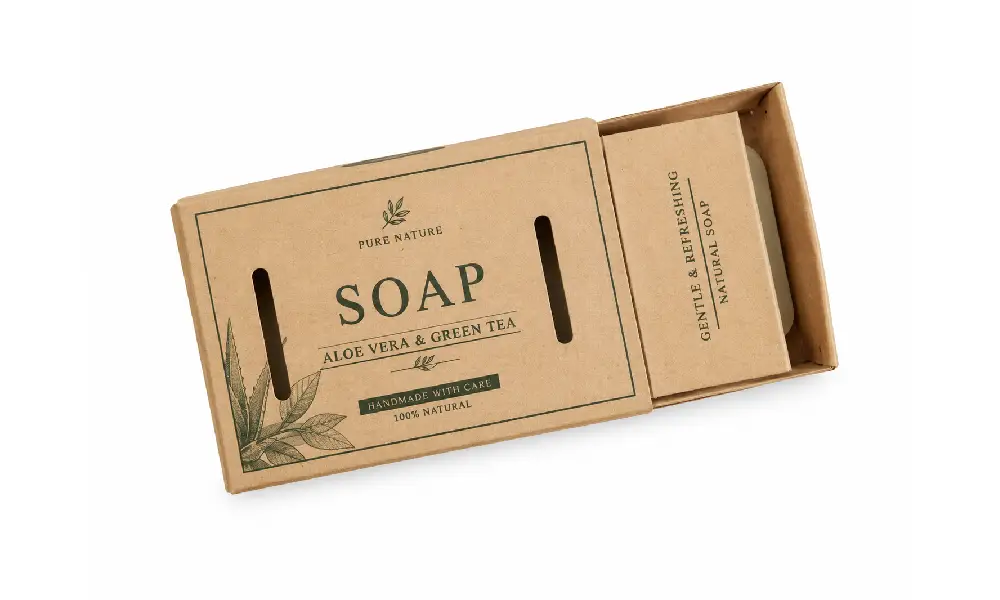
2. Simple and Natural Appeal of Natural Soap Packaging Designs
Kraft Soap Packaging has a simple and natural look. It is often used for handmade or organic soaps. This style creates a sense of honesty and trust. Customers feel that the product is pure and safe.
3. Strength and Protection in Organic Soap Packaging Design
Kraft-based packaging is also stronger than regular cardboard. It handles moisture better and offers more protection during delivery. While it may not have the glossy finish of other materials, its natural appearance is exactly what many U.S. buyers are looking for today.
Rigid Boxes: Elevating Soap Products to a Premium Experience
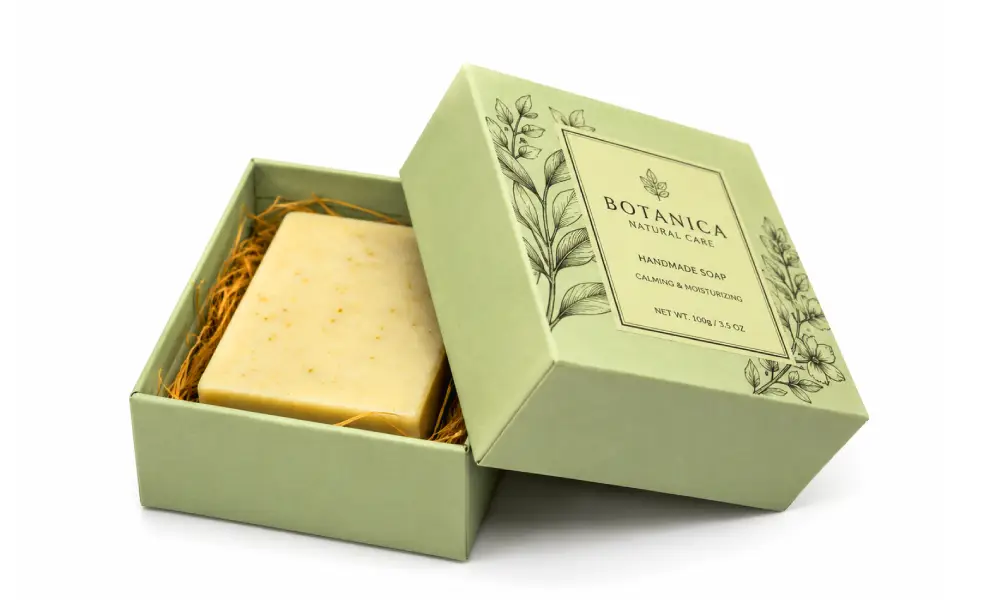
Rigid boxes are designed for high-end products. They are thick, strong, and do not bend easily. When a customer holds a rigid box, it feels solid and luxurious. This makes it perfect for gift sets or premium soap collections.
In the U.S. market, presentation plays a big role in selling expensive items. Rigid boxes create a memorable unboxing experience. They make the product feel special and increase its value in the eyes of the customer.
- U.S. market presentation matters.
- Rigid boxes enhance unboxing.
- They increase perceived value.
These boxes also provide excellent protection. They keep the soap safe from pressure, damage, and environmental changes. However, they are more expensive than cardboard and kraft options. Businesses need to decide if the higher cost matches their product pricing and target audience.
Cardboard vs. Kraft vs. Rigid: A Practical Comparison for Businesses
Each material has its own strengths. Cardboard is affordable and flexible in design. Kraft is eco-friendly and durable. Rigid boxes offer a premium feel and maximum protection.
When comparing Kraft vs Cardboard Soap Boxes, the choice often depends on brand values. If sustainability is the focus, kraft is a better option. If cost and customization are more important, cardboard works well. Rigid boxes stand apart as a luxury choice for brands that want to create a high-end image.
The best approach is to match the material with the product’s purpose. Everyday soaps may not need expensive packaging, while gift items benefit from a more premium look.
Choosing the Right Material Based on Your Target Market
Understanding your target audience is key. In the United States, different groups of customers have different expectations. Some look for budget-friendly options, while others are willing to pay more for quality and presentation.
If your target market includes eco-conscious buyers, kraft packaging is a strong choice. If you are selling in large volumes at a lower price, cardboard may be more practical. For luxury buyers, rigid boxes can create the right impression.
A clear Soap Packaging Buyer’s Guide can help businesses decide what works best for their products and customers. Choosing the right material is not just about cost. It is about meeting customer needs and building long-term trust.